When work deadlines overlap with family responsibilities, the traditional gym is usually the first thing to disappear from the schedule. Even if the workout itself lasts an hour, add to that packing a bag, commuting both ways, waiting for machines, and showering. In the end, you lose at least two and a half hours.
That’s why short EMS workouts (electromyostimulation) have become a major alternative to traditional fitness. But can a 20-minute session in a special suit really deliver the same results as full “iron” training?
Let’s break down the physics of the process, timing, and contraindications without myths or marketing.
What’s the difference: how EMS workouts work
In a classic gym
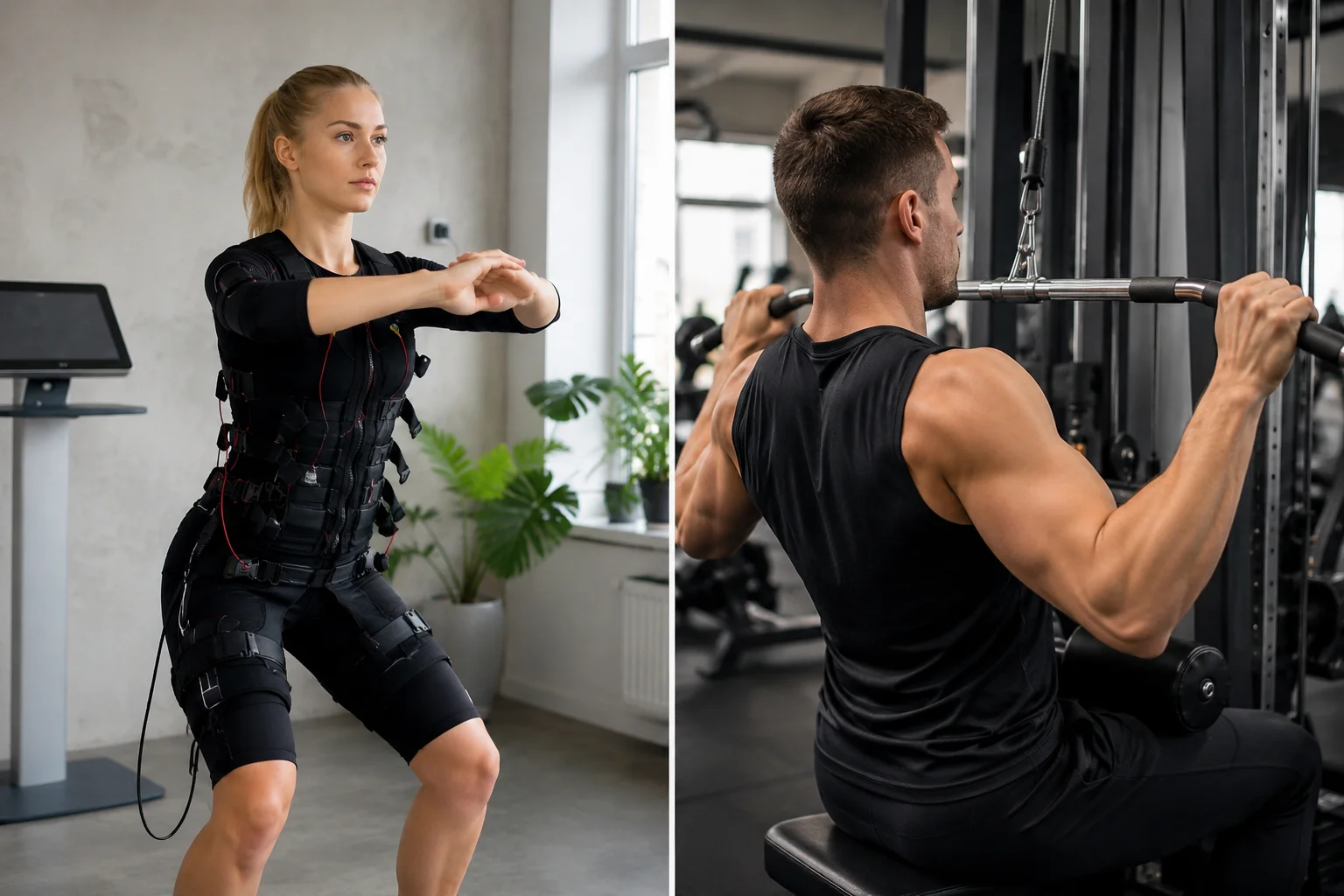
In a traditional gym, the load on the body is distributed in stages. First you train legs, then back, chest, or shoulders, resting 1–2 minutes between sets.
EMS
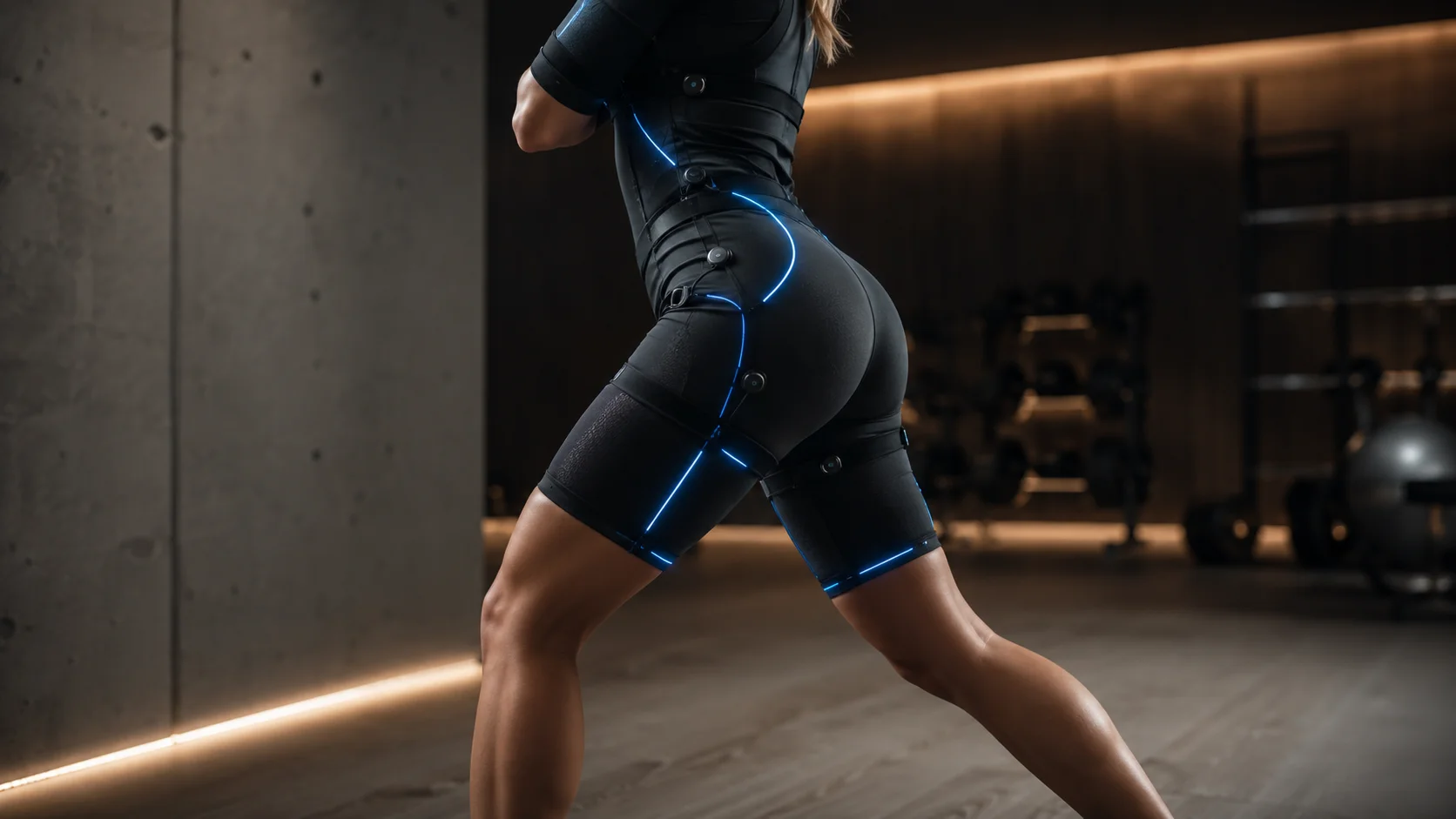
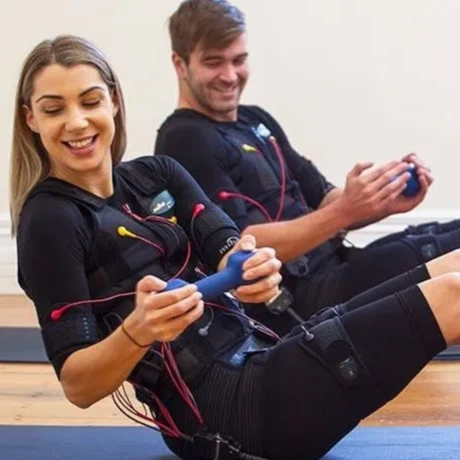
EMS works on the principle of simultaneity. You wear a special vest and electrode sleeves that send safe micro-impulses directly to the muscles. The suit forces muscle fibers to contract up to 85 times per second.
During a regular squat, you simultaneously engage the quadriceps, glutes, abs, and deep spinal stabilizer muscles.
Because of this high density of work, effective EMS workouts Kyiv last only 20–25 minutes, but in terms of metabolic response they are comparable to a long strength training session.
Time breakdown: EMS vs fitness club
Performance criterion | EMS studio | Classic gym |
|---|---|---|
Pure training time | 20–25 minutes | 60–90 minutes |
Required clothing/gear | None (everything is provided) | Yes (full gym bag needed) |
Trainer supervision | 100% of the time (included) | Usually extra paid |
Impact on joints and spine | Minimal (no axial load) | High (with weights) |
Total time per visit | ~40–45 minutes | ~2–2.5 hours including commute |
Weight loss and muscle gain: where results are better
No type of physical activity burns fat if you are in a caloric surplus. However, in terms of physiological effects on the body, these formats serve very different goals.
For weight loss and toning
EMS training is ideal for boosting metabolism. Due to high intensity, the body continues to burn energy for 24–48 hours after the session (EPOC effect). Two short EMS sessions per week are psychologically much easier to maintain as a habit than long gym workouts.
For hypertrophy (muscle building)
If your goal is to build extreme muscle mass, EMS will not be enough. Muscle fiber growth requires continuous progressive overload, which only free weights—barbells, dumbbells, and resistance machines—can provide. Bodybuilding requires time and a traditional approach.
Who EMS is ideal for and who should avoid it
EMS is a great solution for office workers with chronic lower back pain from sedentary work, young mothers who cannot leave their child for long, and busy entrepreneurs. Individual trainer supervision also helps beginners avoid injuries that often happen in gyms when training without guidance.
However, EMS is not suitable for everyone. Strict medical contraindications include:
Presence of a pacemaker or other implanted electronic devices
Epilepsy and neurological disorders
Pregnancy (at any stage)
Acute viral illnesses accompanied by fever
Severe cardiovascular diseases
So what should you choose?
The gym and EMS stimulation Kyiv are not competitors but different tools for different life situations.
If your main constraint is time, and your goal is to tone your body, relieve back pain, and get an energy boost during a lunch break, EMS Kyiv wins due to speed and convenience. If you aim for significant strength gains, enjoy the “meditative” process of lifting heavy weights, and have free evenings, a traditional gym membership is better.
Ultimately, the best workout is the one you actually go to, rather than skip due to lack of time.
If you are looking for an EMS studio close to the city center, we recommend reading the article “ EMS Training in Pechersk Kyiv ”, which provides detailed information about the location, training format, and benefits for local residents