



EMS training: tips, feelings and things you don’t understand right away
This section of the EMS Miha blog collects articles with tips and practical recommendations about EMS training, recovery, and how the body actually responds to training.
It’s not theory and not “textbook explanations”. It’s more about real situations — when you’re already training or just starting and suddenly realize your body reacts a bit differently than expected.
What these articles are about
This section is more about practice than theory. Here you’ll find:
how to prepare for an EMS training session for better comfort
what to consider before your first workouts
how to understand if the load is set correctly
what to do if you feel strong fatigue after training
how to stay consistent without overloading your body
tips that help you see results faster
small details nobody usually warns you about
Sometimes these small things decide whether training feels smooth or like something you need a break from.
EMS training: a bit of real practice
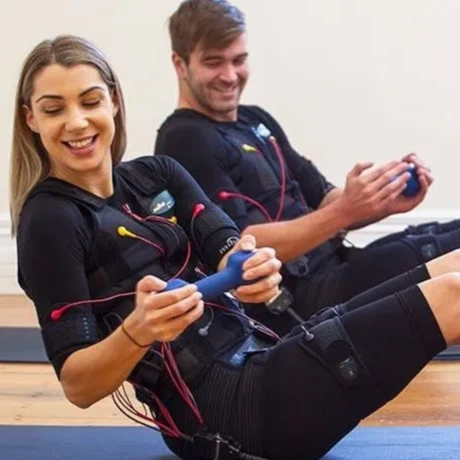
EMS looks simple: put on the suit, train, leave. But in reality, there are things worth knowing beforehand.
For example, intensity doesn’t always feel the same. For some people the first session feels easy, while the second one already feels much more intense. That’s normal — the body is adapting.
Another thing: it can feel like you could train more often because “20 minutes is not much”. But here recovery matters more than frequency.
That’s exactly what we talk about in this section.
Recovery tips and post-workout feelings
After EMS training, the body can react differently: mild fatigue, muscle tension, sometimes unusual post-workout sensations, especially in the beginning.
In the articles we explain how to handle it more calmly:
why giving your body time to adapt is important
how to tell normal load from overload
what helps recovery happen faster
why rest is part of progress, not a break from it
And sometimes the best choice is simply to slow down a bit instead of pushing harder.
Why this section exists
The goal is simple — to make training clearer and less confusing.
When you understand how your body reacts, everything feels easier. Less doubt, fewer unrealistic expectations, and a more stable process overall.
And honestly, training feels much better that way.