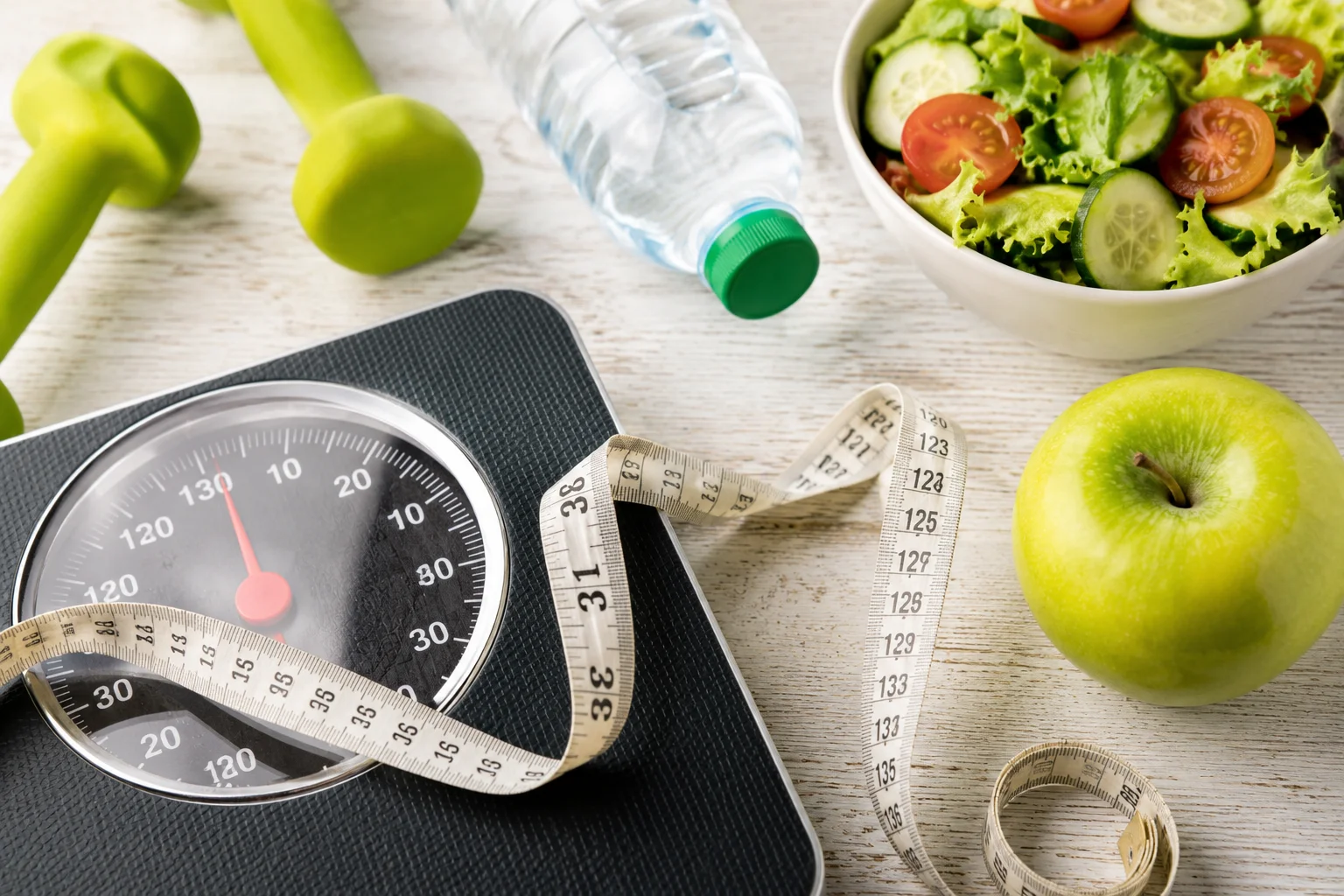
A lot of people start fitness with one simple thought: “I want to lose weight.” No extreme workouts, no survival-style fitness мараthons, no weird celery detoxes. They just want to look better, move easier, and stop feeling exhausted after a normal workday.
And fitness for women really does help with weight loss. But not in the way ads usually show it. Not through “lose 10 pounds in a week” promises, and not just because you sweat a lot during a workout. The process is a bit deeper than that.
When a person moves regularly, the body starts burning more energy, recovering faster, and gradually changing the way metabolism works. That’s why exercise improves not only body weight, but overall well-being too. You get more energy, sleep better, experience less back pain, and even climbing stairs stops feeling like a challenge.
Why Fitness Helps You Lose Weight
The main reason is actually pretty simple — physical activity helps create a calorie deficit. In other words, your body burns more energy than it receives from food.
During exercise, muscles work harder, the heart rate increases, and calorie burn goes up. For example, one hour of intense training can burn anywhere from 400 to 700 calories depending on body weight, workout intensity, and activity type.
But the interesting part starts after the workout.
Regular fitness gradually boosts metabolism. Your body begins using more energy even while resting, especially if you include strength training. That’s why workouts are much more effective long-term than strict diets.
And honestly, this is one of the reasons crash diets often fail. People exhaust themselves instead of changing their lifestyle.
Which Workouts Are Best for Weight Loss
There’s a common myth that weight loss only comes from cardio — running, jumping, or spending hours on a treadmill. In reality, the best results usually come from combining different types of training.
Cardio Workouts
Cardio is great for burning calories and improving endurance. This includes:
running;
brisk walking;
swimming;
cycling;
elliptical training;
dancing;
HIIT workouts.
For example, one hour of brisk walking can burn around 250–350 calories. Running may burn 500–800 depending on pace and intensity.
And here’s something important: cardio doesn’t have to be exhausting. Many people lose weight consistently just by walking regularly at a faster pace. Especially beginners.
Strength Training
Strength workouts are often underrated, even though they help shape the body during weight loss.
When you train muscles, your body burns more energy not only during the session but afterward as well. On top of that, muscle mass increases your basal metabolic rate, meaning your body naturally burns more calories even while resting.
That’s why people who combine cardio and strength training usually see more stable and noticeable results.
EMS Training for Weight Loss: How It Works and Who It’s For
It’s also worth mentioning EMS training, which has become especially popular among people with busy schedules. During EMS workouts, electrical muscle stimulation is used to activate muscles more intensely.
The biggest advantage of EMS fitness is time efficiency. A full session often lasts only 20–30 minutes, but the workload can feel similar to a traditional gym workout.
Many people choose EMS training specifically for weight loss and muscle toning, especially if they struggle to find time for long gym sessions several times a week. Still, it’s important to understand that even EMS workouts don’t work “automatically.” Consistency, proper nutrition, and a calorie deficit still matter.
Why the Scale Doesn’t Always Move Right Away
This is the point where many people give up.
You’re working out, moving more, trying to eat better — but the number on the scale barely changes. It feels frustrating.
But weight loss doesn’t always happen instantly.
For example:
muscles may become denser;
the body can temporarily retain water after workouts;
fat loss often happens gradually.
Because of this, the first noticeable changes are often visible in your clothes or energy levels rather than on the scale. Many people start seeing visible progress after 4–8 weeks of consistent training.
And honestly, the moment when your old jeans suddenly fit again usually feels better than any number on the scale.
How Many Workouts Do You Need to Lose Weight?
For most people, 3–4 workouts per week plus regular daily activity is enough.
You don’t need to spend two hours in the gym every day. In fact, starting too aggressively often leads to burnout and loss of motivation.
Consistency works much better:
regular walking;
moderate workouts;
proper recovery;
healthy sleep.
Even 7,000–10,000 steps a day can noticeably affect calorie burn and overall health.
Nutrition and Fitness: Why You Need Both
There’s a popular saying: “Abs are made in the kitchen.” It sounds cliché, but there’s truth in it.
Fitness helps burn calories, but if every workout ends with fast food, desserts, and constant snacking, progress will be slow.
For healthy weight loss, the important things are:
a calorie deficit;
enough protein;
hydration;
proper sleep;
stable eating habits without extreme dieting.
Very strict diets usually make things worse. People become tired, experience cravings and binge eating, and workouts start feeling like punishment.
The body responds much better to a balanced and sustainable approach.
Fitness Helps With More Than Just Weight Loss
Interestingly, most people stay active for reasons beyond weight loss.
After a few months of regular exercise, they notice:
more energy;
better sleep;
lower stress levels;
improved endurance;
lighter body feeling;
better emotional balance.
Physical activity genuinely affects anxiety levels and mood. Sometimes a good workout clears your mind better than hours spent scrolling on your phone or watching shows.
That’s one of the reasons fitness for women often becomes part of a lifestyle rather than a temporary diet.
Common Mistakes That Prevent Weight Loss
There are several common mistakes that stop people from seeing results even when they train regularly.
Training Too Rarely
One workout per week usually isn’t enough to create meaningful progress.
Ignoring Nutrition
Exercise can’t completely compensate for constant overeating.
Overtraining
If the body doesn’t recover properly, motivation disappears quickly.
Focusing Only on the Scale
Your body can change even if your weight doesn’t drop dramatically.
Expecting Instant Results
Healthy and stable weight loss is a process, not a “lose 10 pounds in a week” challenge.
Final Thoughts
Fitness for woman in Kyiv helps people lose weight not because of “secret methods,” but because regular movement increases energy expenditure and gradually changes lifestyle habits. The body adapts to activity, muscles become stronger, and metabolism becomes more active.
And the best results usually come not from exhausting yourself, but from making exercise a normal and sustainable part of life. Regularly, without extremes.