

EMS Training, Weight Loss and Recovery — EMS Miha Blog Articles
This section of the EMS Miha blog collects articles about EMS training, bodywork, weight loss, and recovery. No heavy terminology, no overly academic explanations — just simple language, like we use when talking to clients before or after training sessions.
In short, this is for people who want to understand how EMS works, why 20 minutes can feel like a full workout, and what actually happens in the body during these sessions.
What you’ll find in this section
Here we publish content based on real training experience:
EMS training and how it affects muscles
weight loss without strict diets or extremes
how the body responds to physical load
recovery after workouts (and why it matters)
common beginner mistakes in fitness
simple explanations of complex body processes
It often feels like everything about fitness has already been said. But once you start training, new questions appear — the ones nobody really explains properly. That’s what we focus on here.
EMS training in simple words
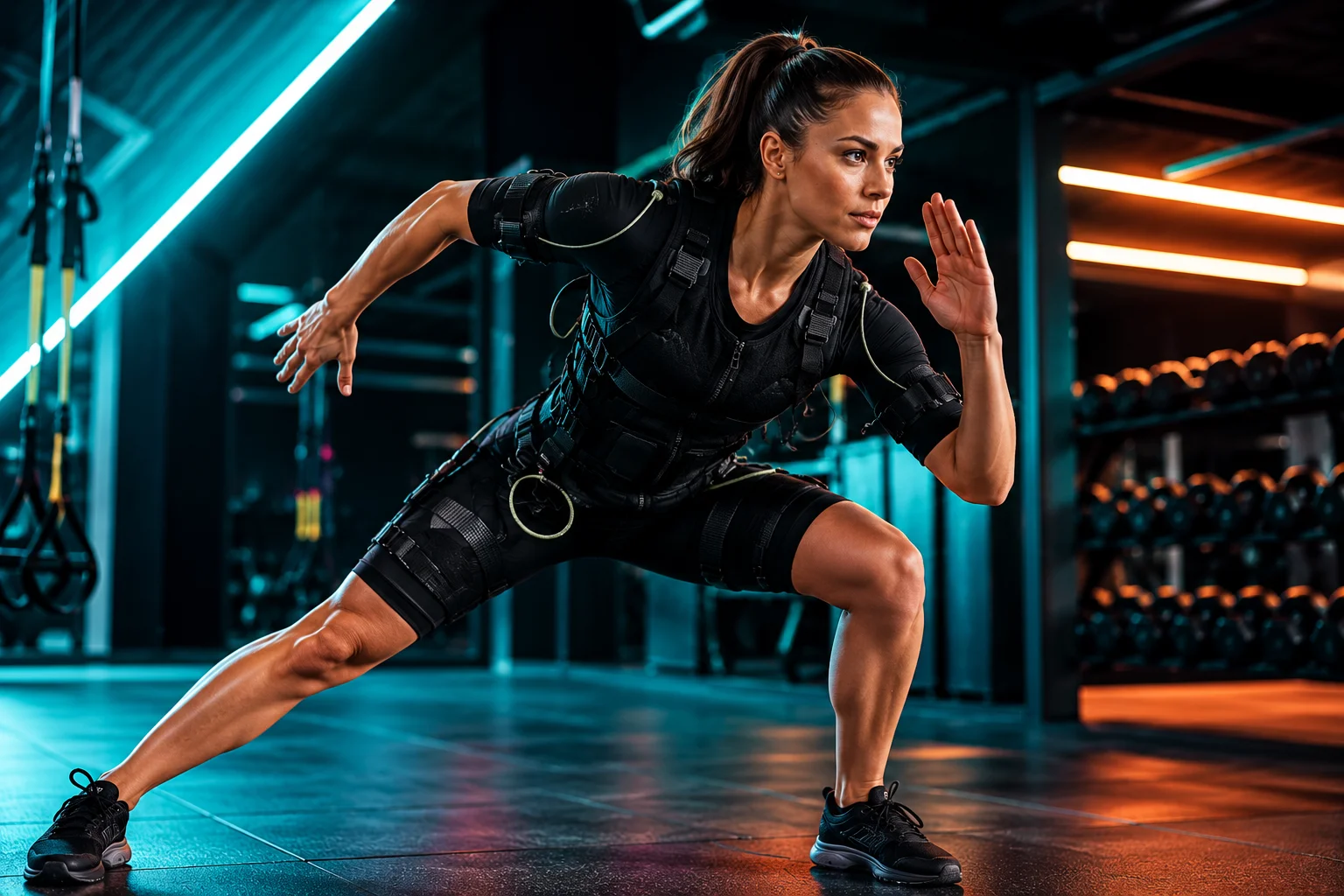
EMS stands for electrical muscle stimulation, which enhances the body’s natural muscle activity during training. It sounds technical, but in practice it’s just a different way of working out.
You move, do exercises, and your muscles receive additional impulses. Because of that, more muscle groups are activated at the same time. And yes — the intensity is felt faster than in a regular gym.
A common question is:
“So that’s it — just 20 minutes?”
Yes. That’s exactly the point.
Weight loss and realistic results
We’re not about extreme diets or promises like “lose 5 kg in a week”. It doesn’t work like that.
In our articles we explain:
why weight can stay the same even when you train,
how the body adapts to stress,
and how EMS training can support faster progress without putting too much pressure on the body.
Progress often comes in waves — faster, then slower. That’s normal, even if people don’t talk about it much.
Why read this blog
This section isn’t about theory for the sake of theory. It’s about understanding your body without confusion.
We write in a way that after reading you feel:
“okay, now I actually understand what’s going on”.
And even if you already train, it’s sometimes useful to put everything into perspective. In reality, things are usually simpler than they first seem.